Children’s Wellbeing
Children’s Wellbeing
At Longlands, you matter
Everyone has good days, tricky days and days when they need some help.
You never have to manage a worry on your own.

What is wellbeing?
Wellbeing means looking after your body, your thoughts, your feelings and your relationships. It also means feeling safe, included and able to be yourself.
Five things that can help
|
1. TALK |
Tell a trusted adult what is happening. You can speak, write it down or ask a friend to come with you. |
|---|---|
|
2. BREATHE |
Pause and take slow breaths. Give your body time to settle before deciding what to do next. |
|
3. MOVE |
Walk, stretch, play outside or take part in an activity that helps your body feel ready. |
|
4. CONNECT |
Spend time with people who help you feel safe and included. |
|
5. ASK AGAIN |
If you still need help, tell another trusted adult. Keep asking until someone helps. |
Who can I talk to?
You can talk to any trusted adult in school, including:
- your class teacher;
- a teaching assistant;
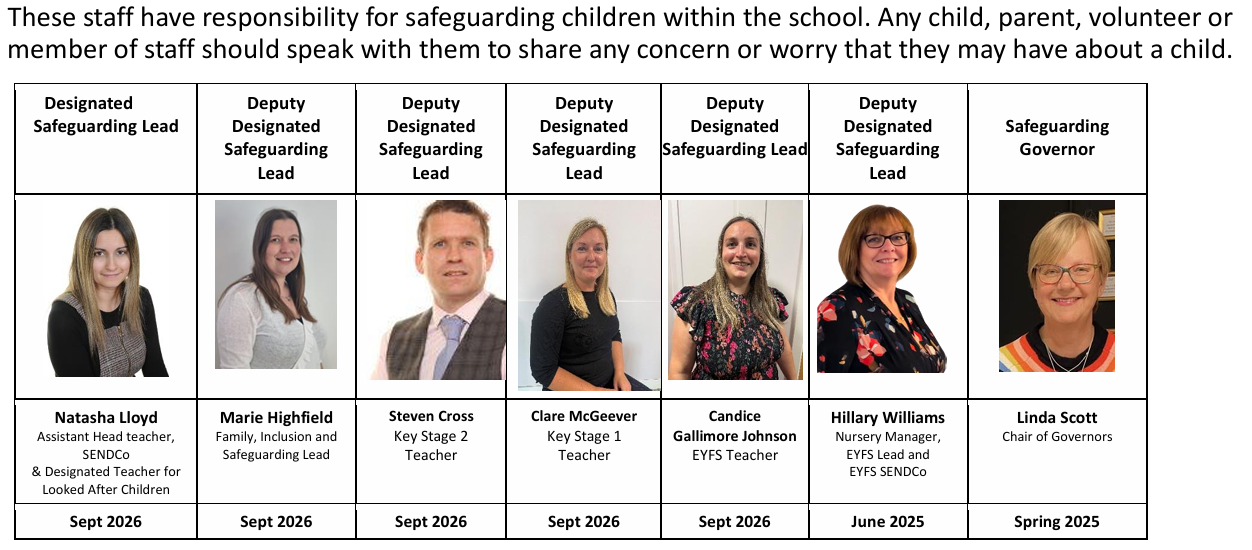
- a member of the pastoral or safeguarding team;
- an adult who supports you at breaktime or lunchtime; or
- another adult in school you trust.
When should I tell an adult?
Tell an adult if:
- something is making you feel unsafe;
- a worry is stopping you learning, sleeping or enjoying things;
- someone is being unkind to you or another child;
- something online has worried, frightened or confused you;
- you are worried about something happening at home or in the community; or
- you simply need someone to listen.
If someone is in immediate danger, get a trusted adult straight away.
Children’s Wellbeing